
Mortgage rates have been the monster under the bed for a while. Every time they tick up, people flinch and say, “Maybe I’ll wait.” But here’s the twist. Waiting for that perfect 5-point-something rate could end up haunting your wallet later.
According to the National Association of Realtors (NAR):
“. . . a 30-year fixed rate mortgage of 6% would make the median-priced home affordable for about 5.5 million more households—including 1.6 million renters. If rates were to hit that magic number, it’s likely that about 10%—or 550,000—of those additional households would buy a home over the next 12 or 18 months.”
When the market hits that mortgage rate sweet spot, as expert forecasters are starting to say is more likely in 2026, the psychological shift to lower rates will kick in for more of today’s hopeful buyers. That will unleash some pent-up demand that’s been waiting on the sidelines, and the increase in activity will cause prices to rise.
And while a 5.99% rate might sound like a big win, if you’re waiting for that number to make your move, it might not actually save you as much as you think. Here’s how the math looks when you run the numbers (see chart below):
On a $400,000 mortgage, the difference between today’s rate (around 6.2%) and 5.99% is roughly $50 a month. That’s less than many people spend on weekly coffee runs or occasional DoorDash orders. And as prices tick up with more buyers in the market, that could quickly negate any of your potential savings.
So, if you’re waiting for 5.99%, that difference might not be worth missing out on today’s opportunities, like having more homes to choose from, better negotiation leverage with today’s sellers, and fewer buyers out there looking for the same houses.
Because the reality is, those benefits start to slip away when more buyers begin to make their moves – and a rate under 6% is exactly they’re waiting for.
Jessica Lautz, Deputy Chief Economist and VP of Research at NAR, says:
“Over the last 5 weeks, mortgage rates have averaged 6.31%. This has provided savvy buyers a sweet spot to reexamine the home search process with more inventory, widening their choices.”
And like Matt Vernon, Head of Retail Lending at Bank of America, notes:
“Rather than waiting it out for a rate that they like better, hopeful homebuyers should assess their personal financial situation—if the house is right for them, and the upfront and monthly payments are affordable, it could be the right chance to make a move.”
If moving at today’s rate scares you, remember, waiting doesn’t always pay off. Once rates dip below 6%, as some experts project they’ll do next year, more buyers (and higher prices) will be back.
So, don’t be afraid of today’s mortgage rates. Because if you’re ready, this might just be your chance to make your move before the market wakes up again.
I can help you buy or sell a home in MD. Call Rich at 443.995.9595 Cell or 410.266.9005 Office.
Richard Iarossi, REALTOR®
Century 21 New Millennium
1730 West St., Suite 200, Annapolis, MD 21401
443.995.9595 Cell
410.266.9005 Office
eMail: rich@richsellshomes.com
Web: https://richsellshomes.com
A portion of every commission goes to support St. Jude charity directly
#AnnapolisRealEstate, #CroftonMDHomes, #BowieMDRealEstate, #SevernaParkHomes, #PasadenaMDHomes, #GambrillsRealEstate, #ArnoldMDRealEstate, #EdgewaterMDHomes, #MillersvilleMDHomes, #OdentonRealEstate

You want mortgage rates to fall – and they’ve started to. But is it going to last? And how low will they go?
Experts say there’s room for rates to come down even more over the next year. And one of the leading indicators to watch is the 10-year treasury yield. Here’s why.
“By mid-October, buyers across much of the country may finally find the combination of inventory, pricing, and negotiating power they’ve been waiting for—a rare opportunity in a market that has been tight for most of the past decade.”
(more…)
A recent survey from Bank of America asked would-be homebuyers what would help them feel better about making a move, and it’s no surprise the answers have a clear theme considering buyer needs. They want affordability to improve, specifically prices and rates (see below):
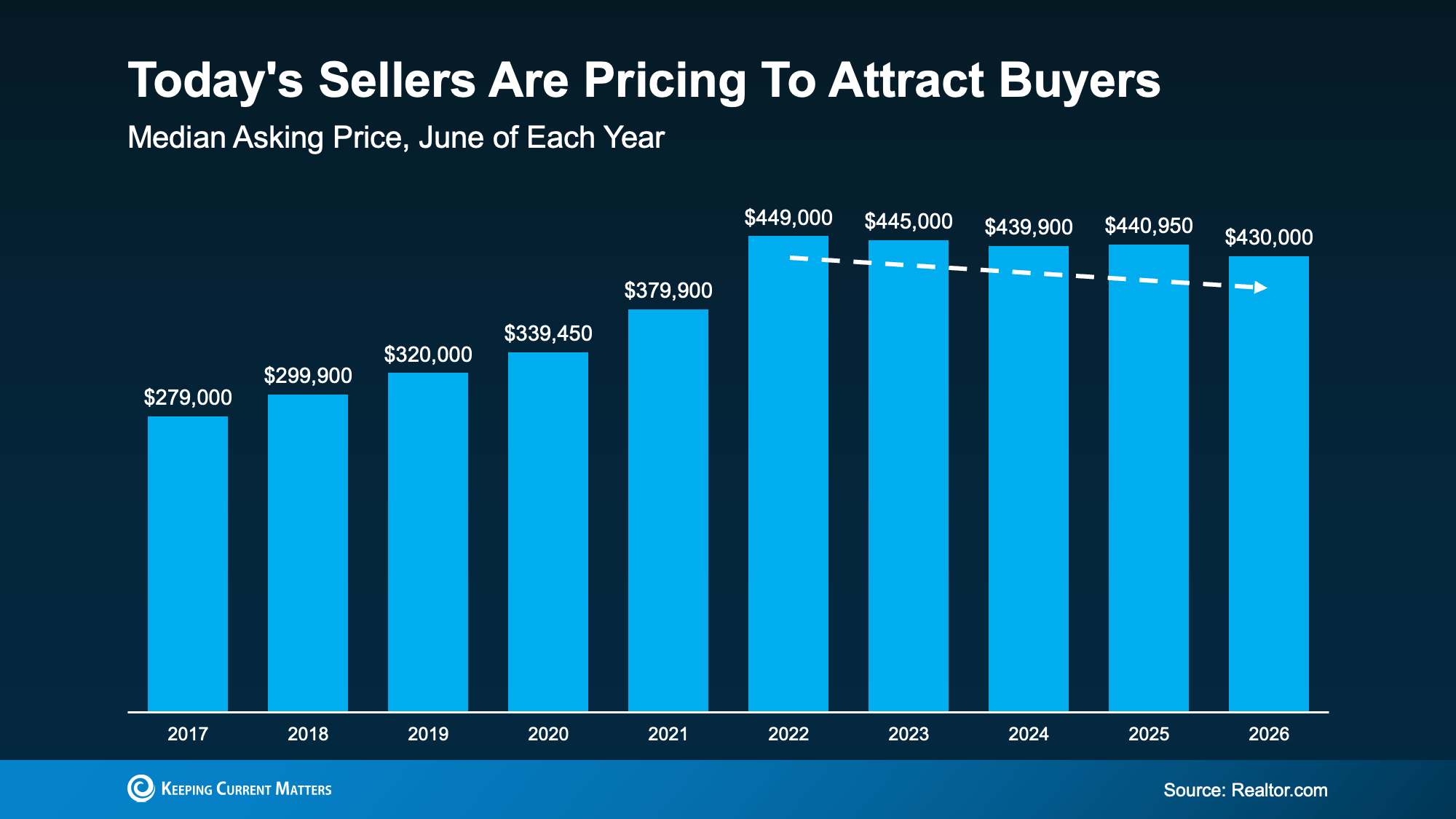
Here’s the good news. While the broader economy may still feel uncertain, there are signs the housing market is showing some changes in both of those areas in response to what buyers need. Let’s break it down so you know what you’re working with.
(more…)Home Staging not about making your house look super trendy or like it belongs in a magazine. It’s about helping it feel welcoming and move-in ready, so it’s easy for buyers to picture themselves living there.
It’s important to understand there’s a range when it comes to staging. It can include everything from simple tweaks to more extensive setups, depending on your needs and budget. But a little bit of time, effort, and money invested in this process can really make a difference when you sell. This is especially true in today’s market.
A study from the National Association of Realtors (NAR) shows staged homes sell faster and for more money than homes that aren’t staged at all (see below):

The best part is, odds are you don’t have to stage your whole house to make an impact. According to NAR, here’s where buyers’ agents say staging can make the biggest difference (see graph below):

As you can see, agents who talk to buyers regularly agree. The most important spaces to stage are the rooms where buyers will spend the most time, like the living room, primary bedroom, and kitchen.
While this can give you a good general idea of what may be worth it and what’s probably not, it can’t match a local agent’s expertise.
Agents are experts on what buyers are looking for where you live. They hear that feedback all the time in showings, home tours, walkthroughs, and from other agents. They’ll use those insights to give their opinion on your specific house. This helps determine what areas may need a little bit of staging help, like if you need to:
A lot of buyers can use the agent’s know-how as the only staging advice they need. But, if your home needs more of a transformation, or it’s empty and could benefit from rented furniture, a great agent will be able to determine if bringing in a professional stager might be a good idea, too. Just know that level of help comes with a higher price tag. NAR reports:
“The median dollar value spent when using a staging service was $1,500, compared to $500 when the sellers’ agent personally staged the home.”
A local agent will help you weigh the costs and benefits based on your budget, your timeline, and the overall condition of your house. They’ll also consider how quickly similar homes are selling nearby. They will look at what buyers are expecting at your price point.
Staging doesn’t have to be over-the-top or expensive. It just needs to help buyers feel at home. A great agent will help you figure out the level of staging that makes the most sense for your goals.
Which room in your house do you think would make the biggest impression on a buyer?
Get an agent to walk through your home with you and go over what will make your house stand out.
I can help you buy or sell a home in MD. Call Rich at 443.995.9595 Cell or 410.721.0103 Office.
Richard Iarossi, REALTOR®
Coldwell Banker Realty
1300 Main Chapel Way, Gambrills, MD 21054
443.995.9595 Cell
410.721.0103 Office
eMail: rich@richsellshomes.com
Web: https://richsellshomes.com
A portion of every commission goes to support St. Jude charity directly
#AnnapolisRealEstate, #CroftonMDHomes, #BowieMDRealEstate, #SevernaParkHomes, #PasadenaMDHomes, #GambrillsRealEstate, #ArnoldMDRealEstate, #EdgewaterMDHomes, #MillersvilleMDHomes, #OdentonRealEstate
Buying your first home is a big milestone for first time homebuyers – and the right support is going to make it a whole lot easier.
Because while this process might be brand new to you, it’s not new to your agent. They’ve helped plenty of first-time buyers through it. They know what works, what actually matters, and how you can move through the process with a lot less guesswork.
Here are a few real-world tips based on that experience of helping other first-time buyers.
Rocket Mortgage says this is one of the most common mistakes first-time buyers make. And it’s easy to see why. Looking at homes online is fun. But doing it before you know your numbers? That’s risky. You don’t want to fall in love with a house that’s way outside of your financial comfort zone. That’s a fast track for getting frustrated.
Instead, find your agent and talk to a lender early – before looking at any houses. With your lender’s help, you’ll be able to get pre-approved for your home loan. That’ll give you a better idea of what you’ll be able to borrow. And it helps you set a realistic budget. Then, your agent will be able to make you a customized list of homes, so you’re only seeing what’ll work for what you can spend. More clarity, less frustration.
Remember, just because you can borrow up to a certain amount, chances are you won’t want to max that number out. It’s really important to avoid overextending your budget, especially in today’s market. Other housing expenses like home insurance, homeowners association (HOA) fees, and taxes are on the rise, and you need to factor those in. Bankrate offers this advice:
“When you’re building a budget to narrow your search for properties, don’t just think about how much house you can afford, but how much in recurring costs you can handle once you’ve purchased your home.”
So, lean on the pros for advice on expenses you may not be thinking of, so you can work them into your budget.
When you find the right home, it’s easy to get caught up in the excitement. But skipping the inspection just to make your offer look stronger is a gamble that could cost you.
Instead, work with your agent to schedule a real inspection. They’ll connect you with local pros, make sure it’s booked, and help you understand the results so you can negotiate repairs or ask for money off at closing, if needed. It’s better to invest in this time up front to avoid what could be thousands in surprise repairs later.
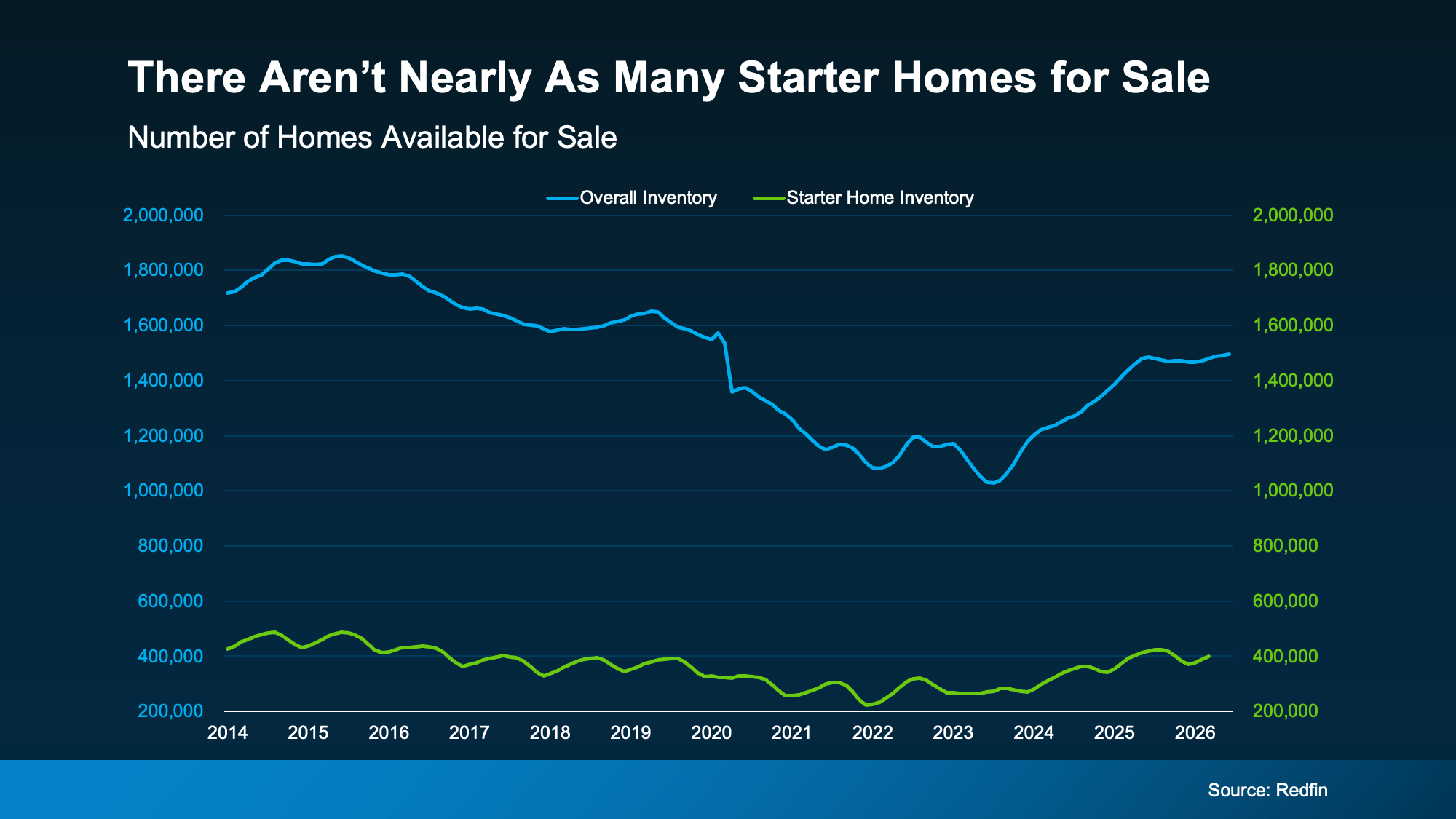
For a lot of buyers, this is where unnecessary pressure creeps in. But remember, you don’t have to land your dream home right out of the gate. That’s why it’s called a starter home. It’s a starting point, not your final destination.
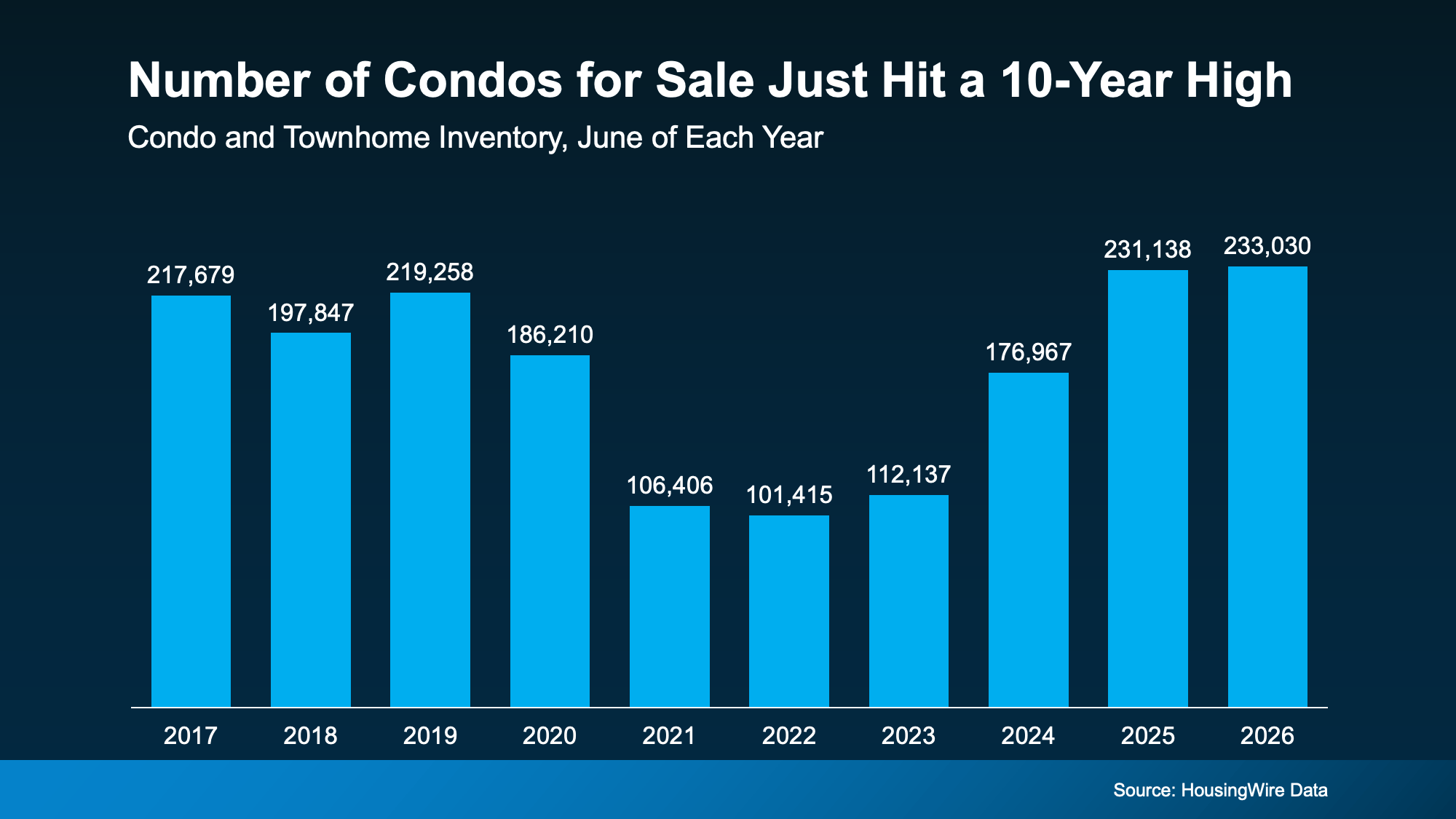
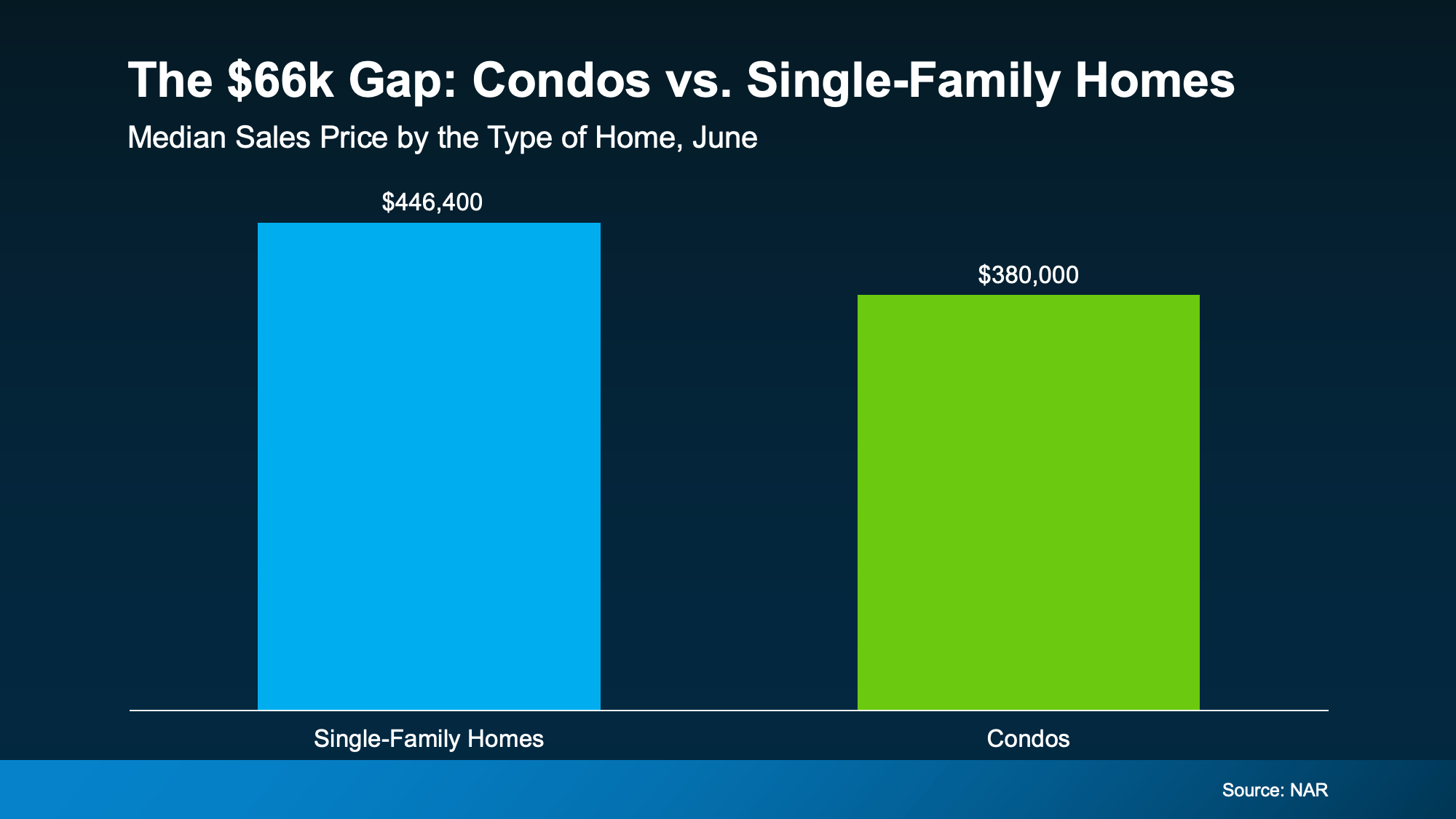
An agent will help you explore all your options, including ones you may not have thought about. For example, a well-kept condo, a townhouse in a great location, or a house with good bones can be a perfect first step into homeownership. The goal? Get in. Start building equity. Then, grow from there.
Buying your first place is a big step, but it doesn’t have to feel like a step in the dark. Let’s talk about where you’re starting, what’s stressing you out (or holding you back), and what you actually need to know to make it happen.
What’s one question you wish you could ask an expert right now?
Richard Iarossi, REALTOR®
Coldwell Banker Realty
1300 Main Chapel Way, Gambrills, MD 21054
443.995.9595 Cell
410.721.0103 Office
eMail: rich@richsellshomes.com
Web: https://richsellshomes.com
A portion of every commission goes to support St. Jude charity directly
#AnnapolisRealEstate, #CroftonMDHomes, #BowieMDRealEstate, #SevernaParkHomes, #PasadenaMDHomes, #GambrillsRealEstate, #ArnoldMDRealEstate, #EdgewaterMDHomes, #MillersvilleMDHomes, #OdentonRealEstate

If you’re planning to buy a home this year, there’s one expense you can’t afford to overlook: closing costs.
Almost every buyer knows they exist, but not that many know exactly what they cover, or how different they can be based on where you’re buying. So, let’s break them down.
Your closing costs are the additional fees and payments you make when finalizing your home purchase. Every buyer has them. According to Freddie Mac, they typically include things like homeowner insurance and title insurance, as well as various fees for your:
When you search for information about closing costs online, you’ll often see a national range, usually 2% to 5% of the home’s purchase price. While that’s a useful starting point if you’re working on your homebuying budget, it doesn’t tell the whole story. In reality, your closing costs will also vary based on:
While the home price is obviously going to matter, state laws, tax rates, and even the going costs for title and attorney services can change what you expect to pay. That’s why it’s important to talk to the pros ahead of time so you know what to budget for. It can put you in control before you even start shopping.
To give you a rough ballpark, here’s a state-by-state look at typical closing costs right now based on those factors for the median-priced home in each state (see map below):
As the map shows, in some states, typical closing costs are just roughly $1-3K. In a few places, they can be closer to $10-15K. That’s a big swing, especially if you’re buying your first home. And that’s why knowing what to expect matters.
If you want a real number to help with your budget, your best bet is to talk to a local agent and a lender. They can run the math for your price range, loan type, and exact location.
And just in case you’re looking at your state’s number and wondering if there’s any way to trim that bill, NerdWallet shares a few strategies that can help:
Closing costs are a key part of buying a home, but they can vary more than most people realize. Knowing your numbers (and how to potentially bring them down) can go a long way and help you feel confident about your purchase.
Let’s look at typical closing costs in our area and get you a personalized estimate, so you can craft your ideal budget.
I can help you buy or sell a home in MD. Call Rich at 443.995.9595 Cell or 410.721.0103 Office.
Richard Iarossi, REALTOR®
Coldwell Banker Realty
1300 Main Chapel Way, Gambrills, MD 21054
443.995.9595 Cell
410.721.0103 Office
eMail: rich@richsellshomes.com
Web: https://richsellshomes.com
A portion of every commission goes to support St. Jude charity directly
#AnnapolisRealEstate, #CroftonMDHomes, #BowieMDRealEstate, #SevernaParkHomes, #PasadenaMDHomes, #GambrillsRealEstate, #ArnoldMDRealEstate, #EdgewaterMDHomes, #MillersvilleMDHomes, #OdentonRealEstate
If you’ve been thinking about downsizing to lower your expenses, be closer to family, or just make life easier, here’s a trend worth paying attention to:
More homeowners are buying their next house outright, without taking on a new mortgage. And, if you’ve owned your home for a while, you may be able to do the same. No mortgage. No monthly housing payments.
According to analysis from ResiClub of Census data, more than 40% of U.S. owner-occupied homes are mortgage-free –an all-time high for this data series. That means 4 in 10 homeowners own their homes free and clear (see graph below):
One big reason for this trend? Demographics. As Baby Boomers age and stay in their homes longer, many have had the time to fully pay off their mortgages. You might be in that group too and not even realize just how much buying power you now have. It’s time to change that.
As a homeowner, your equity is your biggest advantage in today’s market. If you’re mortgage-free (or close to it), it could give you the power to buy your next home in cash. That means you’d still have no mortgage payment in retirement, plus:
Here’s how it works. You’d sell your current house and use the proceeds to buy your next house in cash. And while that may sound like something you thought would never be possible for you, it’s more realistic than you may think.
In the latest survey from John Burns Research and Consulting (JBREC) and Keeping Current Matters (KCM), agents reported the share of purchases with all-cash buyers is climbing nationally. And those agents are seeing increases in almost every region of the country (see graph below):
For Baby Boomers especially, buying in cash gives you more control over your next chapter. You could buy a smaller, less expensive home and have lower costs, less upkeep, and more flexibility to enjoy what matters most. All while staying debt and stress free.
Because downsizing isn’t about downgrading your home. It’s about upgrading your quality of life. And that’s something worth exploring.
You’ve worked hard for your home. Now it might be time for it to work hard for you.
Let’s talk about what your house is worth, and what it could unlock for you today. What would your ideal home look like if you were to downsize right now?
Richard Iarossi, REALTOR®
Coldwell Banker Realty
1300 Main Chapel Way, Gambrills, MD 21054
443.995.9595 Cell
410.721.0103 Office
eMail: rich@richsellshomes.com
Web: https://richsellshomes.com
A portion of every commission goes to support St. Jude charity directly
#AnnapolisRealEstate, #CroftonMDHomes, #BowieMDRealEstate, #SevernaParkHomes, #PasadenaMDHomes, #GambrillsRealEstate, #ArnoldMDRealEstate, #EdgewaterMDHomes, #MillersvilleMDHomes, #OdentonRealEstate

If your house is on the market but you haven’t gotten any offers you’re comfortable with, you may be wondering: what do I do if it doesn’t sell? And for a growing number of homeowners, that’s turning into a new dilemma: should I just rent it instead?
There’s a term for this in the industry, and it’s called an accidental landlord. Here’s how Yahoo Finance defines it:
“These ‘accidental landlords’ are homeowners who tried to sell but couldn’t fetch the price they wanted — and instead have decided to rent out their homes until conditions improve.”
And right now, the number of homeowners turning into accidental landlords is rising. Business Insider explains why:
“While there have always been accidental landlords . . . an era of middling home sales brought on by a steep rise in borrowing rates — is minting a new wave of reluctant rental owners.”
Basically, sales have slowed down as buyers struggle with today’s affordability challenges. And that’s leaving some homeowners with listings that sit and go stale. And if they don’t want to drop their price to try to appeal to buyers, they may rent instead.
But here’s the thing you need to remember if renting your house has crossed your mind. Becoming a landlord wasn’t your original plan, and there’s probably a reason for that. It comes with a lot more responsibility (and risk) than most people expect.
So, if you find yourself toying with that option, ask yourself these questions first:
Just because you can rent it doesn’t mean you should. For example:
If any of those give you pause, it’s a sign selling might be the better move.
On paper, renting sounds like easy passive income. In reality, it often looks more like this:
As Redfin notes:
“Landlords have to fix things like broken pipes, defunct HVAC systems, and structural damage, among other essential repairs. If you don’t have a few thousand dollars on hand to take care of these repairs, you could end up in a bind.”
According to Bankrate, here are just a few of the hidden costs that come with renting out your home:
All of that adds up, fast.
While renting can be a smart move for the right person with the right house, if you’re only considering it because your listing didn’t get traction, there may be a better solution: talking to your current agent and revisiting the pricing strategy on your house first.
With their advice you can rework your strategy, relaunch at the right price, and attract real buyers to make the sale happen.
Before you decide to rent your house, make sure to carefully weigh the pros and cons of becoming a landlord. For some homeowners, the hassle (and the expense) may not be worth it.
I can help you buy or sell a home in MD. Call Rich at 443.995.9595 Cell or 410.721.0103 Office.
Richard Iarossi, REALTOR®
Coldwell Banker Realty
1300 Main Chapel Way, Gambrills, MD 21054
443.995.9595 Cell
410.721.0103 Office
eMail: rich@richsellshomes.com
Web: https://richsellshomes.com
A portion of every commission goes to support St. Jude charity directly
#AnnapolisRealEstate, #CroftonMDHomes, #BowieMDRealEstate, #SevernaParkHomes, #PasadenaMDHomes, #GambrillsRealEstate, #ArnoldMDRealEstate, #EdgewaterMDHomes, #MillersvilleMDHomes, #OdentonRealEstate
If you’ve been watching the market, you’ve likely noticed a few changes already this year. But what’s next? From home prices to mortgage rates, here’s what the latest expert forecasts suggest for the rest of 2025 – and what these shifts could mean for you.
Many buyers are hoping home prices will come down soon. And recent headlines about prices dipping in some areas are making some people believe it’s just a matter of time before there’s a bigger drop. But here are the facts.
While home price growth is slowing down, that doesn’t mean we’re headed for a crash. As NAHB explains:
“House price growth slowed . . . partly due to a decline in demand and an increase in supply. Persistent high mortgage rates and increased inventory combined to ease upward pressure on house prices. These factors signaled a cooling market, following rapid gains seen in previous years.”
But experts say, even with that slowdown, prices will still rise this year at the national level. The average of 8 leading forecasters shows prices are expected to go up 1.5-2% in 2025 (see graph below):
That means, if you’re waiting for a major drop, experts agree that’s just not in the cards.
Keep in mind, while some markets are already seeing prices come down slightly, the average dip is just -3.5%. That’s a far cry from the nearly 20% decline the market experienced during the 2008 crash.
Plus, those small changes are easily absorbed when you consider how much home prices have climbed over the past few years. Data from the Federal Housing Finance Agency (FHFA) shows prices are up 55% nationally compared to just 5 years ago.
The takeaway? Prices aren’t crashing. They’re expected to keep climbing – just not as quickly these days. And some may argue they’ll be closer to flat by the end of this year. But, again, this is going to vary by market, with some local ups and downs. So, lean on a pro to see the latest price trends for your area.
Another common thought among today’s buyers is: I’m just going to wait for rates to come down. But is that a smart strategy? According to Yahoo Finance:
“If you’re looking for a substantial interest rate drop in 2025, you’ll likely be left waiting. The latest news from the Federal Reserve and other key economic data point toward steady mortgage rates on par with what we see today.”
In other words, don’t try to time the market or wait for a drop that may not be coming. Most experts say rates will remain in the 6s, and current projections have them settling in the mid-6% range by the end of this year (see chart below):
And that’s not a big change from where they are right now. So, if you need to move, let’s talk about how to make it happen and what you should watch for. Because while rates may not be as low as you want them to be, you don’t want to put your needs on the back burner, hoping for something the data shows isn’t likely to happen.
Working with an expert who is keeping an eye on all the economic factors that can influence mortgage rates is going to be essential this year. That’s because changes in things like inflation and other key drivers could impact how rates move going forward.
Whether you’re buying, selling, or thinking about doing both, this market requires strategy, not guesswork. Prices are still rising nationally (just more slowly), and rates are projected to stay pretty much where they are, so the bigger picture is one of moderation – not a meltdown.
If you want to make a move, your best bet is to focus on your personal situation – not what the headlines say – and work with a real estate pro who knows how to navigate the shifting conditions in our local market.
Let’s talk about what’s happening in our area to build a plan that works for you.
Richard Iarossi, REALTOR®
Coldwell Banker Realty
1300 Main Chapel Way, Gambrills, MD 21054
443.995.9595 Cell
410.721.0103 Office
eMail: rich@richsellshomes.com
Web: https://richsellshomes.com
A portion of every commission goes to support St. Jude charity directly
#AnnapolisRealEstate, #CroftonMDHomes, #BowieMDRealEstate, #SevernaParkHomes, #PasadenaMDHomes, #GambrillsRealEstate, #ArnoldMDRealEstate, #EdgewaterMDHomes, #MillersvilleMDHomes, #OdentonRealEstate